Race Weekend in San Francisco: A Guide to Hotels, Logistics, and What to Know Before You Book
Table of Contents
San Francisco is one of the most demanding race environments in the country for reasons that have nothing to do with altitude. The hills are real, the summer fog is cold in ways that surprise out-of-state athletes, and the hotel market is among the most expensive of any American race city. None of that stops the SF Marathon from being one of the most sought-after road race experiences in the US, and the Bay Area triathlon scene extends the appeal across disciplines. If you’re planning a race trip to San Francisco, knowing what you’re getting into before you book makes the difference.
The Race Scene
The San Francisco Marathon is held July 25 to 26, 2026, and includes a 5K, 10K, half marathon, full marathon, and ultra distance. It is USATF-certified and a Boston qualifier. The full marathon course crosses the Golden Gate Bridge, which is the defining feature of the race and the primary reason athletes choose it. The half marathon offers a shorter version of the experience. Bay to Breakers, held in May, is one of the oldest road races in the country and one of the most unconventional, drawing 30,000 participants for a 12K that runs from the Embarcadero to Ocean Beach. For triathletes, the Escape from Alcatraz Triathlon in June is the iconic Bay Area multisport event, combining an open-water swim from Alcatraz Island with a bike leg through the Marin Headlands and a run including the infamous sand ladder. Ironman California is also on the fall calendar, scheduled for October 18, 2026.
Where to Stay
For the SF Marathon, which starts and finishes near the Embarcadero, the Fisherman’s Wharf area and the Financial District are the most practical hotel zones. Both are close to the start area and give you flat terrain for race morning walking. The Marina District is slightly further west but convenient for athletes who want a calmer neighborhood before a 5 a.m. start.
For Escape from Alcatraz, which stages at Crissy Field and Marine Drive near the Golden Gate, the Marina District and the western edge of Cow Hollow are the most useful locations. Athletes with bikes will need to confirm hotel storage options in advance, as many San Francisco hotels have limited secure bike space.
Getting There and Around
San Francisco International Airport (SFO) is about 14 miles south of downtown. BART connects SFO to downtown San Francisco in about 30 minutes for under $12, with stops along Market Street. Oakland International Airport (OAK) is across the Bay and accessible via BART from the Coliseum station, adding some transfer complexity but often offering cheaper flights. Rideshare from SFO runs $35 to $60 depending on traffic and demand.
Within the city, Muni and BART cover the core areas well, though San Francisco’s transit reliability is variable. On race morning, athletes staying near the Embarcadero start can walk. Cyclists heading to transition at Crissy Field face one of the steeper urban rides in the country to get there, depending on their hotel location.
What to Know Before You Book
Summer mornings in San Francisco are cold. The fog that covers the city through most of July and August keeps race-morning temperatures in the low 50s and sometimes the high 40s. Athletes from warmer climates who assume a summer race means warm weather are routinely caught off guard. Dress for cool conditions at the start. The fog typically burns off by midday, but for a morning race it is the defining weather factor.
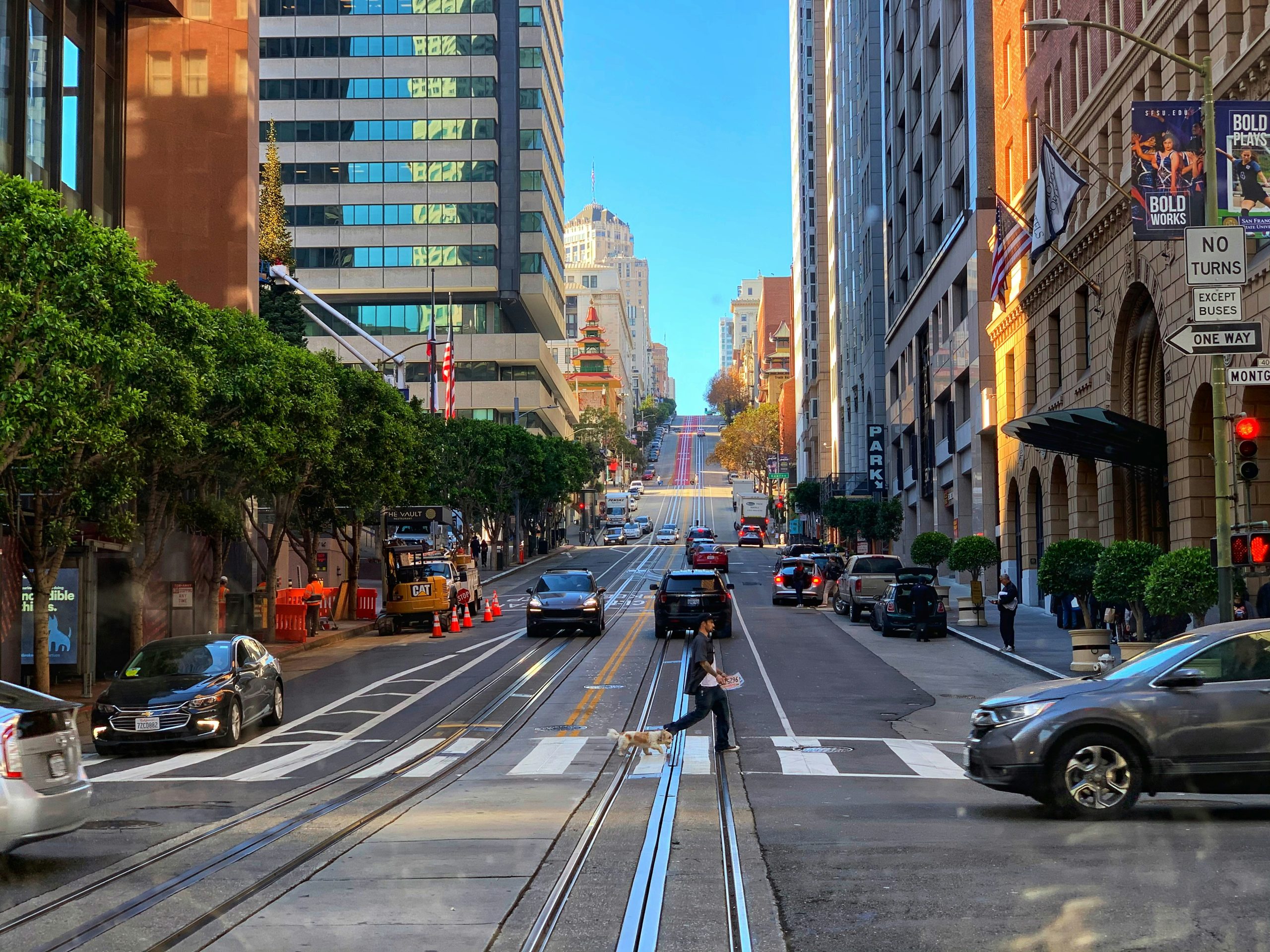
The SF Marathon hills are not incidental. The course includes significant climbs in the neighborhoods along the route, and the bridge crossing, while spectacular, is not flat. Training on hills before arriving is not optional for anyone targeting a strong result.
San Francisco hotel rates are among the highest of any city on this list year-round. Race weekend in late July sits in the peak summer tourism season, which compounds the already high baseline. Book as early as possible, and consider staying in Oakland or Berkeley across the Bay if you’re price-sensitive and comfortable with a BART commute.
Browse the full California race calendar for events across the state. Road runners should visit marathon hotels and half marathon hotels for planning resources. Triathlon athletes can find guidance on the Ironman hotels and triathlon hotels pages.