
Race Weekend in Charlotte: A Guide to Hotels, Logistics, and What to Know Before You Book
Table of Contents
Charlotte is a fast-growing race city that often gets underestimated by athletes who associate it primarily with banking and NASCAR rather than endurance sport. The marathon is the Queen City’s signature event and has been building a strong reputation for course organization and neighborhood support. The multisport scene is active across the state, with triathlon events throughout the warmer months. And the addition of a rucking division to the marathon’s race weekend underscores the city’s appetite for a broader range of competitive formats. If you haven’t looked at Charlotte as a destination race, it’s worth a closer look.
The Race Scene
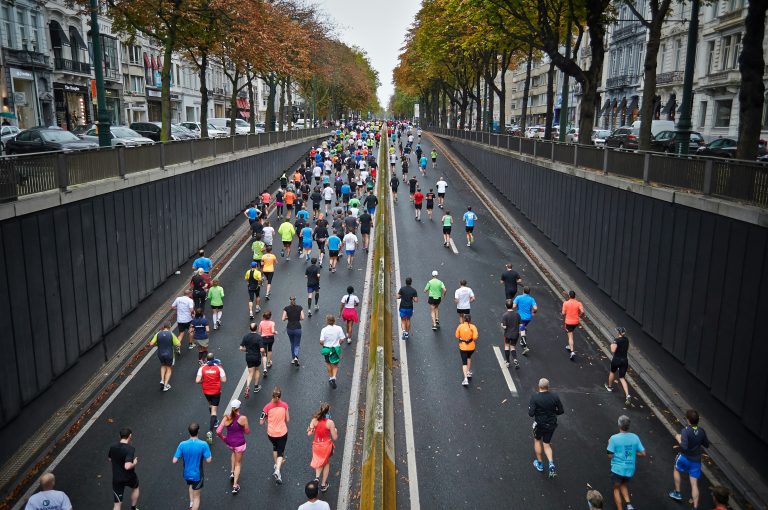
The Novant Health Charlotte Marathon on November 14, 2026 starts in the heart of Uptown and routes through the city’s distinct neighborhoods. The weekend includes the full marathon, half marathon, a rucking division for the half marathon distance, and the Chick-fil-A 5K. The course winds through areas like Myers Park, the NoDa arts district, and the South End, capturing the character of the city’s diverse neighborhoods. The rucking division, which requires participants to carry weighted packs for the half marathon distance and includes a weigh-in before and after, reflects a broader competitive fitness culture that has grown significantly in the Southeast.
Charlotte Racefest is the city’s spring half marathon, held in the SouthPark area and celebrating its 25th anniversary in 2026. On the triathlon side, the Cal Tri Charlotte event on October 10 offers sprint and Olympic distances, and the North Carolina triathlon calendar more broadly is active from May through September.
Where to Stay
The Charlotte Marathon starts and finishes in Uptown, and reviewers consistently note that there are tons of hotels downtown within walking distance of the start, finish, and expo. This makes Uptown Charlotte the clear choice for marathon weekend. The hotels along Tryon Street and in the business district corridor are all positioned well for the race.
The SoBro and South End neighborhoods, just south of Uptown, offer slightly lower rates with a short walk or light rail ride to the start area. South End in particular has grown significantly as a hotel and restaurant district and is a solid option for athletes who want to be close but not directly in the Uptown hotel price tier.
For Charlotte Racefest in the SouthPark area, proximity matters more to the southern neighborhoods. Hotels near SouthPark Mall and the Sharon Road corridor are better positioned for that event than Uptown hotels, which add a longer commute.
Getting There and Around
Charlotte Douglas International Airport is about 7 miles west of Uptown and well-connected by rideshare, typically $20 to $30 to downtown. The LYNX Gold Line streetcar connects parts of the city, but most athletes will rely on rideshare for airport and race-morning transportation. Charlotte’s light rail LYNX Blue Line runs from the University area through Uptown to Pineville, and the stations near Uptown are walkable to marathon start areas.
On race morning, the Charlotte-Mecklenburg Police Department closes several streets in Uptown, including sections of South Tryon Street between 4 and 10:30 a.m. on race day. Athletes staying in Uptown hotels are at an advantage, as driving into the closure zone from outside is not practical. Walking from your hotel is the standard approach for most marathon participants.
What to Know Before You Book
November in Charlotte is generally good race weather. Temperatures at the marathon start typically run between 40 and 55 degrees, with the mid-November date sitting in a reliable cool-but-not-cold window for the Southeast. Humidity is lower than the summer months, and rain is possible but not the baseline expectation the way it is in the Pacific Northwest.
The Charlotte Marathon course is known for rolling hills, particularly in the second half, and the final mile involves a notable climb. If you’re targeting a PR, this course rewards hill training specifically. Athletes who run flat courses exclusively and arrive expecting a gentle finish are often surprised by miles 20 through 26.
The rucking division is a legitimate competitive format and not a casual walking event. The weight requirements scale by body weight, and the time cutoff is strict. If you’re planning to ruck, train specifically for the weighted carry and have your pack dialed in well before race day.
Find the full North Carolina race calendar for events across the state. Road runners planning the Charlotte Marathon should also visit the marathon hotels and half marathon hotels pages. Ruck athletes will find relevant resources on the ruck hotels page.